May 25, 2026
The Role of Outdoor Education in Holistic Development
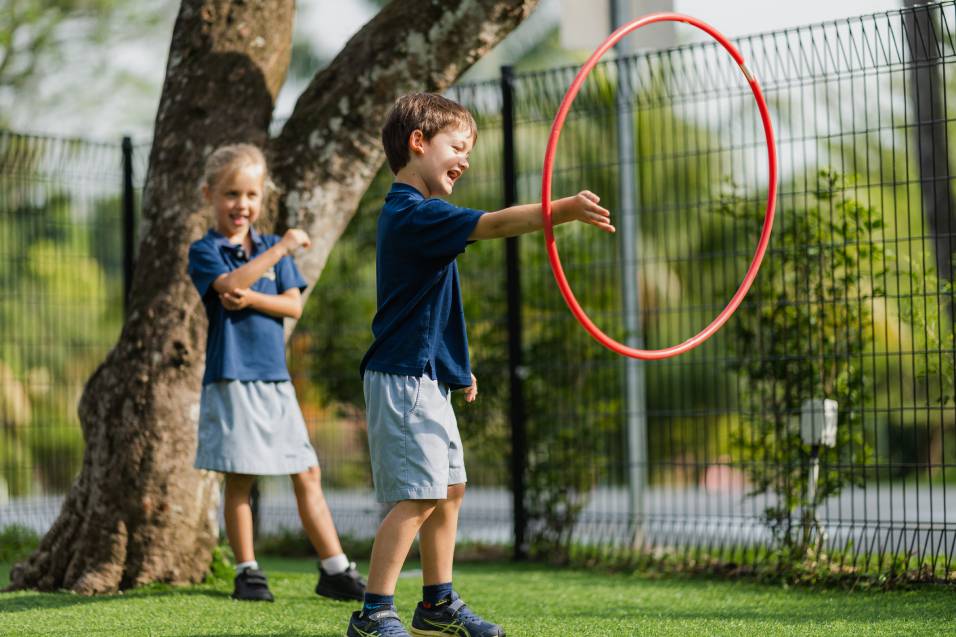
What happens when learning moves outdoors? Read on to learn how outdoor education builds confident, resilient children through real-world experiences.
What happens when learning moves outdoors? Read on to learn how outdoor education builds confident, resilient children through real-world experiences.
Children are naturally curious. Give them a patch of grass, a trail to explore, or even just a few trees, and you will quickly see how they learn through movement, observation, and play. Outdoor education taps into this instinct, turning everyday environments into meaningful learning spaces that go far beyond textbooks.
Classrooms are still important, but learning does not need to be confined to four walls. More parents today are recognising that education should nurture the whole child, not just academic performance. Outdoor experiences offer a different kind of growth, one that builds confidence, resilience, and a deeper understanding of the world around them.
What Is Outdoor Education?
Outdoor education is not just about taking lessons outside for a change of scenery. It is a structured approach to learning that uses natural environments to support a child’s overall development.
This can include:
- Nature walks and environmental exploration
- Hands-on science activities in real-world settings
- Team-based outdoor challenges
- Physical education in open spaces
- Sustainability and eco-awareness projects
Many international schools are increasingly integrating outdoor education into their curriculum because it complements traditional learning in a meaningful way. Rather than memorising concepts, children experience them. They observe, question, and make connections naturally.
Why Outdoor Education Matters for Holistic Development
Holistic development focuses on nurturing every aspect of a child’s growth, including intellectual, physical, social, and emotional development. Outdoor education supports all of these areas in a balanced way.
1. Building Confidence Through Real Experiences
Children learn best when they are actively involved. Climbing a small hill, navigating a trail, or completing a group activity gives them a sense of achievement.
These experiences may seem simple, but they help children:
- Develop independence
- Learn to take initiative
- Build self-belief through small wins
Confidence built outdoors often carries over into the classroom and other areas of life.
2. Encouraging Curiosity and Critical Thinking
Outdoor environments are unpredictable, and that is exactly what makes them powerful learning spaces.
A simple question like “Why are these leaves different?” can lead to deeper discussions about biology, climate, and ecosystems. Children begin to think critically, ask questions, and explore answers on their own.
3. Supporting Physical Health and Active Lifestyles
With increasing screen time, many children today spend less time moving freely. Outdoor education helps rebalance this.
Activities such as running, climbing, and playing improve:
- Motor skills
- Coordination
- Overall fitness
More importantly, it encourages children to enjoy being active, which is a habit that can last a lifetime.
4. Developing Social Skills and Teamwork
Outdoor activities often involve collaboration. Whether it is working together to solve a problem or participating in group challenges, children learn how to communicate and cooperate.
They develop:
- Empathy and understanding
- Leadership skills
- Conflict resolution abilities
These are essential life skills that cannot always be taught through textbooks.
5. Supporting Emotional Growth
Spending time outdoors has a calming effect on children. It allows them to step away from structured environments and simply be present.
It plays a key role in supporting students' mental and emotional wellbeing, helping them manage stress, build resilience, and develop a positive mindset.
How Outdoor Education Looks in Practice
Not all outdoor education programmes are the same. The best ones are thoughtfully integrated into the curriculum rather than treated as occasional activities.
Here is a simple comparison:
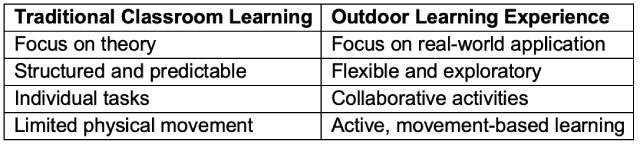
Both approaches are valuable, but when combined, they create a more complete learning experience.
A Closer Look: Outdoor Learning at Dempsey Hill
At Invictus International School, outdoor education is not an add-on. It is part of how students learn every day, especially at the Dempsey Hill campus.
Set within lush greenery, the Dempsey Hill campus provides a natural environment that enhances learning in a way few urban schools can.
Learning Beyond the Classroom
Students regularly step outside to explore their surroundings through:
- Nature walks in nearby rainforest areas
- Observation-based learning activities
- Outdoor group discussions and projects
These experiences help students connect what they learn in class with the real world.
Sustainability as a Way of Thinking
Outdoor education at Dempsey Hill also includes sustainability-focused projects. Students learn about environmental responsibility through hands-on activities, not just theory.
This helps them develop:
- Awareness of ecological issues
- A sense of responsibility towards the environment
- Practical habits that support sustainable living
Purposeful Outdoor Spaces
The campus is designed to support outdoor learning in different ways:
- Green spaces and playing fields for physical activity
- A shaded outdoor deck for group work and independent study
- Play areas that encourage exploration and creativity
- Access to an outdoor pool as part of a structured PE programme
These spaces allow lessons to move fluidly between indoor and outdoor settings, keeping learning dynamic and engaging.
Why Parents Are Paying Attention
Parents today are looking beyond grades. They want their children to grow into confident, adaptable individuals who are ready for the future.
Outdoor education offers benefits that align with these goals:
- It builds resilience through real-life challenges
- It nurtures curiosity and a love for learning
- It supports both physical and emotional development
- It encourages independence from a young age
For many families, this approach feels more balanced and aligned with how children naturally learn.
Preparing Children for the Real World
The future will require more than academic knowledge. Children will need to think critically, adapt to change, and work well with others.
Outdoor education helps develop these qualities in an organic way.
Through exploration, collaboration, and hands-on learning, children gain skills that are difficult to teach through traditional methods alone.
They become:
- Problem-solvers
- Effective communicators
- Independent thinkers
These are the traits that truly prepare them for life beyond school.
Final Thoughts
Education should do more than prepare children for exams. It should prepare them for life. Outdoor education plays a key role in this by helping children grow in confidence, curiosity, and resilience.
At Invictus International School, the Dempsey Hill campus brings this approach to life through its unique natural environment and thoughtfully designed learning experiences. Students are given the space to explore, discover, and grow in ways that feel both meaningful and enjoyable.
If you are looking for a school that values both academic excellence and holistic development, it may be time to experience it for yourself. Book a tour and see how learning can extend beyond the classroom.
An Institution by Sing-Ed Corporation.
© 2026 Invictus International School. All Rights Reserved.