December 24, 2025
Supporting Students’ Mental & Emotional Wellbeing in Schools
A child’s wellbeing matters as much as academics. Learn how schools can support students’ mental and emotional health for confident, balanced growth.
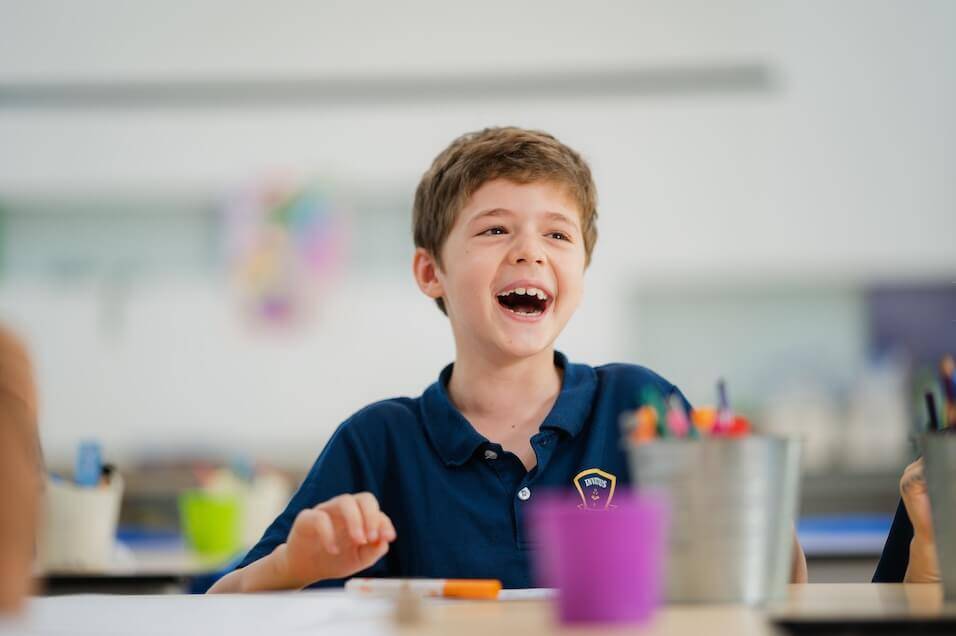
A child’s wellbeing matters as much as academics. Learn how schools can support students’ mental and emotional health for confident, balanced growth.
The school year often begins with hopeful anticipation. Fresh uniforms, new stationery, and a sense of starting anew. Yet behind the excitement, many parents quietly wonder how their child is really feeling. Are they coping with new expectations? Do they feel safe, understood, and supported? For children, moments like the start of term, exams, or changing schools can stir up emotions they may not yet have the words to explain.
These days, a child’s mental and emotional wellbeing matters just as much as academic progress. Learning does not happen in isolation. It is shaped by how secure a child feels, how confident they are to ask questions, and whether they believe they belong. Schools play a vital role in shaping this experience, walking alongside families to nurture children not just as students, but as people.
Why Emotional Wellbeing Is Foundational to Learning
Children bring their whole selves to school each day. Their thoughts, feelings, friendships, worries, and triumphs all walk through the school gates with them. When a child feels emotionally supported, learning feels accessible and engaging. When they do not, even the most capable students can struggle.
Emotional wellbeing affects how children concentrate, interact with peers, and respond to challenges. Stress and anxiety can show up in subtle ways, such as reluctance to participate, sudden frustration, or withdrawing from activities they once enjoyed. When these signals are recognised early and met with care, children are more likely to regain confidence and emotional balance.
For many parents considering international schools in Singapore, this holistic approach matters deeply. Families want reassurance that their child will be seen as an individual, supported through challenges, and encouraged to grow at a healthy pace.
Creating a School Environment Where Children Feel Safe to Be Themselves
A supportive school environment is not defined only by policies or programmes. It is shaped by everyday interactions, tone, and trust. Children thrive when they feel emotionally safe, when they know mistakes are part of learning, and when their voices are respected.
This sense of safety is built through consistency, kindness, and clear communication. Familiar routines help children feel grounded. Teachers who listen patiently and respond with empathy help students feel understood. When schools prioritise belonging, children are more willing to participate, share ideas, and ask for help.
Feeling safe also means knowing that emotions are welcome. Joy, frustration, excitement, and disappointment all have a place. When children learn that their feelings are valid and manageable, they develop confidence in navigating them.
The Power of Caring Teacher-Student Relationships
Teachers are often among the most influential adults in a child’s life. A caring teacher can be the person who notices when a child seems quieter than usual or when a normally confident student begins to doubt themselves.
When teachers take time to understand each child, it creates a powerful sense of connection. Students who feel known and valued are more likely to engage in learning and to persevere when things feel difficult. Emotional support does not lower academic standards. Instead, it strengthens a child’s ability to meet them.
Educators who approach children with patience and encouragement help build trust. That trust allows students to take risks, learn from mistakes, and grow in confidence both academically and emotionally.
Helping Children Understand and Manage Their Emotions
Supporting wellbeing also means equipping children with skills they will use for life. Emotional awareness is not something children are simply born with. It is learnt through guidance, practice, and reflection.
Schools that intentionally nurture emotional learning help students recognise what they are feeling and why. Children learn strategies to calm themselves, communicate their needs, and navigate social challenges. These skills are especially important as children grow older and face increasing academic and social pressures.
Over time, students become more resilient. They learn that setbacks are temporary and that emotions can be understood rather than feared. This foundation supports not only personal growth but also positive relationships and self-confidence.
Encouraging Healthy Achievement Without Pressure
Parents want their children to succeed, but not at the cost of their wellbeing. A healthy school environment recognises that achievement and emotional health are closely connected.
Rather than focusing solely on outcomes, balanced schools value effort, curiosity, and progress. Children are encouraged to try, reflect, and improve without fear of failure. This approach reduces unnecessary stress and helps students build a positive relationship with learning.
When children feel supported rather than pressured, they are more open to challenge. They learn responsibility, collaboration, and self-belief, laying the groundwork to develop leadership skills in a way that feels authentic and sustainable.
Working in Partnership With Parents
A child’s wellbeing is strongest when school and home work together. Open communication allows parents and educators to share insights, address concerns early, and celebrate growth together.
When parents feel heard and informed, they gain confidence in the support their child is receiving. Regular check-ins, thoughtful feedback, and opportunities to connect help build trust between families and schools.
This partnership reassures children that the adults in their lives are aligned. It creates consistency and stability, helping them feel supported across all environments.
Supporting Children Through Change and Transition
Change can be exciting, but it can also be unsettling. Starting school, moving up a year level, or joining a new community can bring uncertainty, even for confident children.
Thoughtful transition support makes a meaningful difference. Orientation activities, buddy systems, and gradual introductions to new routines help children feel prepared and welcomed. Acknowledging their feelings during these moments helps them feel understood rather than rushed.
When schools take time to support transitions, children gain confidence in navigating change, a skill that will serve them well throughout life.
Wellbeing as a Long-Term Commitment
Supporting mental and emotional wellbeing is not a one-time initiative. It is an ongoing commitment that evolves as children grow and their needs change.
When schools embed care into their culture, children benefit far beyond the classroom. They grow into learners who trust themselves, empathise with others, and approach challenges with resilience.
These qualities stay with them long after their school years, shaping how they relate to the world and to themselves.
Conclusion: Choosing a School That Truly Cares
For parents, choosing a school is ultimately about trust. Trust that your child will be supported, understood, and encouraged to become their best self.
At Invictus International School, mental and emotional wellbeing is an essential part of everyday learning. Through nurturing relationships, attentive educators, and a people-first philosophy, Invictus creates an environment where children feel safe to grow, explore, and thrive.
If you are looking for a school that values your child as a whole person, discover how Invictus International School supports students every step of their journey. Book a tour with us today to experience the community and care firsthand.
An Institution by Sing-Ed Corporation.
© 2026 Invictus International School. All Rights Reserved.